Project
GeoSmaGriR
Smart Solar Geothermal Energy Grid Ruhr
Successful thermal energy transition requires the further development of renewable energy systems and moreover, the integration of the systems into the existing infrastructures. The aim is the flexible, decentralised feed of solar and geothermal heat into thermal energy networks utilising former coal mine workings.
Starting point
Successful thermal energy transition requires the further development of renewable energy systems, the integration of the systems into the (existing) decentralised and centralised infrastructures, as well as making available user specific information and control options. This demands a stronger coupling across systems and energy carriers of energy systems, like optimally matched system components, whose interaction via control and regulating systems and centralised software platforms are enhanced for efficient data processing. While the virtualisation of intelligent power networks is by now in the standardisation phase, many thermal energy sources are not equipped with relevant components.
Our Solution
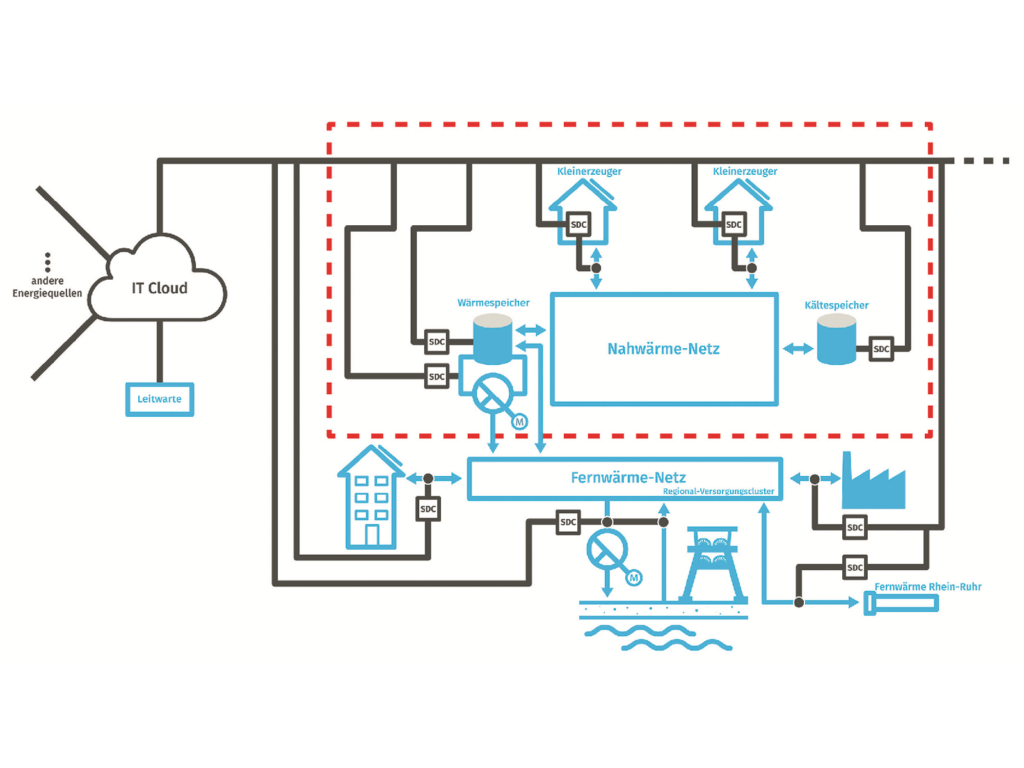
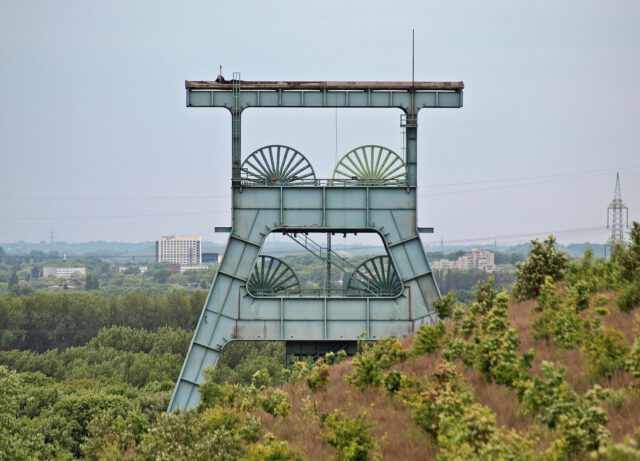
The aim is the flexible, decentralised feed of solar and geothermal heat into thermal energy networks utilising existing supply and network structures; Seasonal excess heat, though, is to be stored in former coal mine workings. For the decentralised part, bidirectional thermal consumer/producer systems are planned, for example buildings with district heating connection and solar thermal energy. In this heat grid a distributed system architecture is required where both consumers and producers can be connected by intelligent IoT middleware and cost effective control devices via hardware solutions and a cloud based software platform.
The solution concept integrates various hardware and software components. Smart Device Controllers (SDC) represent the decentralised low cost hardware modules that tie in the sensors and actuators in mine workings and small producers. They capture energy data and send switching commands to local control systems. Data is initially aggregated and pre-filtered locally before being transmitted to the cloud platform. Several SDC will be locally clustered to improve the control and stability of the whole network, especially in case of limited outages. The thus structured components together form a so called Smart Grid.
Funding ID
Bochum University of Applied Sciences: 13FH0I13IA
Fachhochschule Dortmund – University of Applied Sciences and Arts: 13FH0I11IA
Westphalian University of Applied Sciences: 13FH0I12IA
Supported By
Federal Ministry for Education and Research
Project Duration
2017 – 2019

Key Areas
- Development of a system for the integration of solar and geothermal energy in the heat grid
- Dynamic simulation of the entire system
- Realisation of software technical aspects of the entire system
Project Partners





More about the topic
related Projects
related Events
10.07.2025
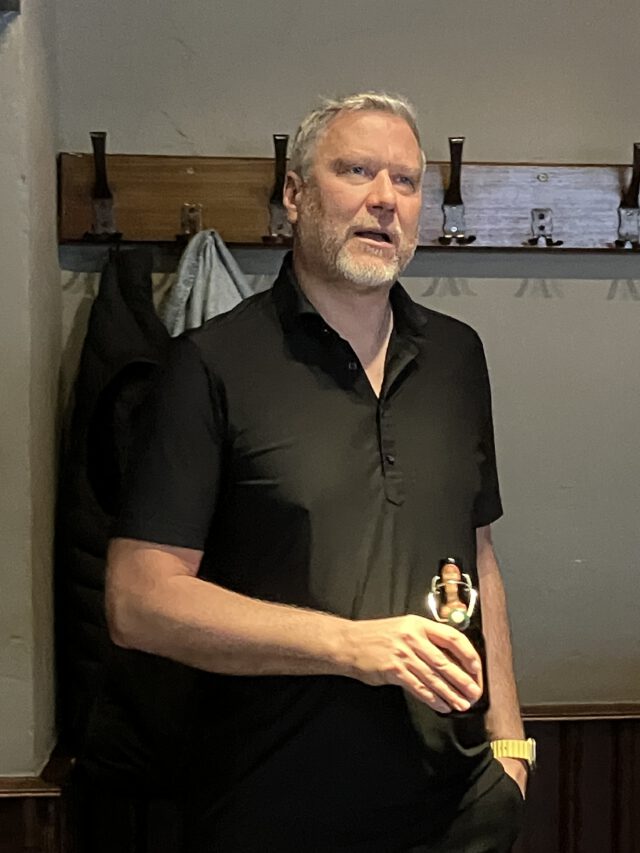
Throwback: InnovationMeetUp – 10.07.2025
From vision to financing
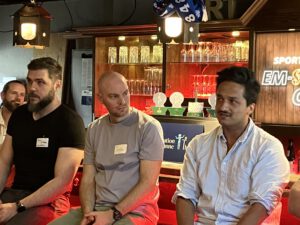
On 10 July 2025, our InnovationsMeetup on the topic of ‘From vision to financing’ took place in the inspiring location ‘Zum Kuhhirten’ in Bochum’s city centre – organised together with the Bochum Economic Development Agency.
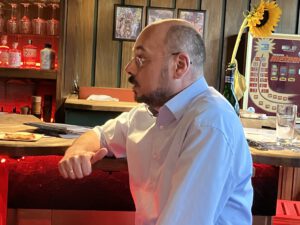
One highlight of the evening was the exciting keynote speech by Jörg Gudat from Labs.Ruhr, who provided valuable insights as an experienced investor: How do you target investors? What prerequisites should start-ups have? And when is the right time for financing? His practical tips provided the participants with important ideas.
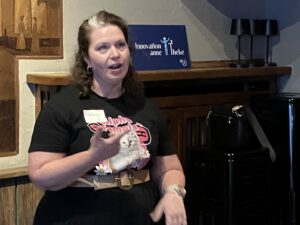
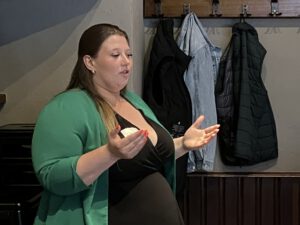
Afterwards, two start-up teams, Evovell and Roadstory, presented their business ideas in short, convincing pitches.
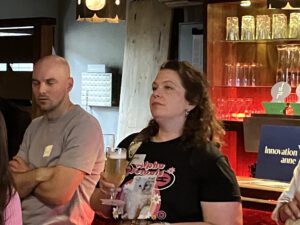
The evening offered not only informative impulses, but also plenty of opportunity for personal discussions over cold drinks and pizza – ideal for making contacts and expanding networks.
related Publications